

Acne is a common skin concern that presents in varying severity. It is not unusual for you to experience some form of acne during your lifetime. If your acne symptoms are causing you distress, there are a number of ways you can treat it. Acne treatments can include skincare products, topical creams and medication prescribed by a GP. In this blog, I go into detail about what acne is. I have also outlined the severity types of acne and why you might suffer from it. Finally, I will discuss the options you have for treatment and control of your acne symptoms, so you can take back control.
What is acne?
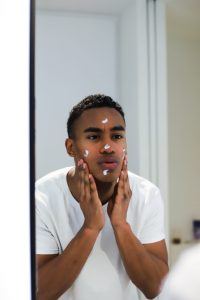
Acne can cause spots, oily skin and sometimes skin that is hot or painful to touch. Physical symptoms usually develop on the face, back and sometimes the chest. There are varying types of spot caused by acne, and varying levels of severity of the condition. You may also experience regular breakouts with angry red spots, blackheads and whiteheads. These include mild acne, moderate acne and severe acne. Next, we’ll talk about the different severities of the condition and which symptoms you may see.
Mild acne
Mild acne shows up as blackheads (comedones) and whiteheads (pustules) in the skin, but with no inflammatory outbreaks or scarring. Often people experience excess oil (sebum) production in the midline of their face. This is a very common form of acne, especially within teenagers and young adults, and may be linked to hormonal fluctuations.
Moderate acne
Moderate acne is a slightly more advanced form of acne. The skin presents with these signs:
- Papules (hard, sore, inflamed swellings under the skin)
- Pustules (outbreaks with pus)
- Inflammation/redness
- Blackheads and whiteheads
The skin may have only one or two of these factors present or could have all four.
Severe acne
Severe acne is an important clinical diagnosis. This is because it can lead to long term scarring of the skin, as well as significant psychological distress to the sufferer. Key factors in this type of acne are:
- Papules (hard, sore, inflamed swellings under the skin)
- Pustules (outbreaks with pus)
- Inflammation/redness
- Blackheads and whiteheads
- Cysts or boils under the skin, which can be very tender and painful
- Scarring (ice-pick, boxcar, rolling, hypertrophic or atrophic scar types)
- Post-inflammatory pigmentations (reddish-brown or purple blemishes)
- Widespread distribution. This may include the chest and back.
Why might I have acne?

Whatever the severity, there are a number of reasons why you may have developed acne symptoms. Acne is most commonly linked to changed in hormone levels during puberty but can start at any age for a number of reasons.
Certain hormones can make your glands produce larger amounts of oil. This oil can get clogged in your pores and cause build-up and inflammation.
Acne has also been known to run in families. If both your parents had acne, it is likely that you will also have acne.
In addition, hormonal changes such as those that occur during your menstrual cycle or pregnancy can lead to acne instances in women.
There is currently no evidence that diet or poor hygiene play a role in acne.
What acne treatments are available?
If your acne is moderate or severe, it is best to see your GP or dermatology specialist. If you have a few spots or blackheads, these can be easily treated with the right skincare products. However, if you are suffering from moderate or severe acne, you may need a more regimented skincare routine and possibly prescription medication.
Acne treatments can be broadly divided into creams that you apply to the skin (topicals) and tablets to take orally, and they include:
Medical-grade skincare products
Topical antibiotics
Hormonal pills (the contraceptive pill)
Antibiotic tablets
Oral Retinoid – requires an onward referral.
It’s up to you to choose which road you would like to go down. However, if there is a chance your acne can be treated using medical-grade skincare products, it may be the best first try. Switching to a medical-grade skincare routine may save you from having to try more serious acne treatments.
In summary; acne treatments recommended by Tay Medispa
Whatever the severity of Acne, it can affect everyone in different ways. Both mild and severe Acne can be extremely distressing, and equally some people don’t find it so. Likewise, some people wish to treat it and some people don’t.
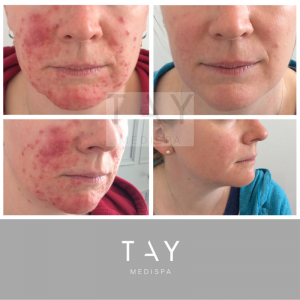
Here at Tay Medispa, we can advise you of the choices you have. Armed with this information, you can find the acne treatment that’s right for you. We offer appointments with a Doctor and/or Skin therapist and cover a wide range of treatment options, including medical-grade skincare. Our recommendations will take into account your past medical history, current medication, lifestyle and any previous treatments you have tried.
Suffer from moderate or severe acne? Book a Video GP Consultation for just £45
Do you have mild acne symptoms? Need a skincare routine refresh? Book your free Online Skincare Consultation
Anything we have missed? Something you would like more information on?
Do not hesitate to contact us by either popping us a message on Facebook or emailing info@taymedispa.co.uk
Sarah G

Skin Expert
www.taymedispa.co.uk | info@taymedispa.co.uk
Share This