

Have you ever wondered what the difference between chemical and physical sunscreen is? Or maybe you had no idea that there even were two different types of SPF product? If you are thinking the latter, then you are in the same position I was not that long ago, before I had a chat with Michelle, our expert skin therapist at Tay MediSpa.
Michelle had spoken to me about how important it is to wear an SPF product to protect my skin from damage, and I learned so much from our conversation I thought I would share it with you. The scariest thing I found out was that the SPF in my foundation is just not enough to protect my skin from damage, even when I’m indoors!
I’ll go through what the difference between chemical and physical sunscreens are, and then dive into a bit of detail on the pros and cons of each. Finally, I will end with Michelle & Dr Julia’s SPF product recommendations.
But first, why wear sunscreen?

80% of the skin’s signs of ageing including fine lines, hyper-pigmentation, wrinkles and sagging are accelerated by the sun’s rays. UVAs, UVBs and other pollutants penetrate deep into the skin and attack collagen – the spongy protein that keeps the skin supple and firm.
Even more importantly, your risk of skin cancer increases every time you burn and peel. If you’ve had sunburn 5 times, then you’ve doubled your risk of melanoma. I found this fact particularly disturbing as with having pale, sensitive skin, I can’t even remember how many times I have had sunburn.
In addition to this, regular use of SPF allows your skin cells to focus on tasks that improve the quality of your skin – such as shedding dead skin cells and building collagen – rather than fighting environmental effects. It’s not just about preventing further damage, but actually improving the natural repairing benefits of your skin as well.
I’ve also learned that no matter what type of skin tone you have, you still need to use sunscreen. The skin tones with the deepest melanin only rates an SPF 2 protection from UVB rays, and offers no protection against UVA rays or other pollutants. UVB rays are responsible for producing sunburn and skin cancer. UVA rays are also responsible for skin cancer formation, but as they penetrate more deeply into the skin they also play a role in premature skin ageing and wrinkle formation.
So, what’s the difference between chemical and physical sunscreen?
The most obvious difference is the compounds that they contain. A chemical sunscreen contains chemicals (such as avobenzone, octinoxate and octisalate). A physical sunscreen contains natural compounds or ingredients (such as titanium dioxide and zinc oxide). The main difference is how they work. Simply put, chemical sunscreen absorbs UV rays, whereas physical sunscreen reflects UV rays. To detail, a chemical sunscreen absorbs UV rays and converts them into heat, before releasing it from your skin. A physical sunscreen stays on the surface of your skin, and creates a physical barrier on your skin. This barrier then reflects the sun’s rays.
Chemical sunscreen

A chemical sunscreen must penetrate your skin layers before it starts to work and protect your skin. This is why you need to wait 20 minutes or so before it starts to work. Often, one chemical is not enough to protect you skin, so most chemical sunscreens are a mixture of a number of chemicals in order to protect against UVA and UVB rays.
Physical (mineral) sunscreen

A physical sunscreen can also be known as a mineral sunscreen or a sunblock. A physical sunscreen most commonly contain titanium dioxide and zinc oxide, as I mention above. When these compounds are used in sunscreens, they are broken down into fine particles so you end up with a sheer, cream-like formula. Physical sunscreens are also naturally broad-spectrum, which means they protect against both UVA and UVB rays.
Pros and cons; physical sunscreen vs chemical sunscreen
Pros of a chemical sunscreen
Chemical sunscreen is easy to apply, spreads easily and is ideal for daily use. You can use it easily with other products and makeup, and you do not need much to protect your skin. Many makeup brands now contain chemical SPF protection as standard. However, although this adds a level of convenience to your skincare routine, you would have to apply a quite a large dollop to your face, and continue reapplying it every few hours. Not many people would wear that much makeup in a normal day, and a large number of people do not wear makeup at all.
Cons of a chemical sunscreen
As a chemical sunscreen absorbs heat as it works, it tends to increase your internal temperature, making you feel hotter. It can also aggravate existing pigmentation issues, skin discoloration and spots. You cannot just pop some on and walk out of the house, as it can take around 20 minutes to absorb into your skin and begin working properly. Not only that, but due to the fact that your skin absorbs the product, many of these chemicals will also find their way into your bloodstream.
In addition, as you could have probably guessed, the chemicals in the sunscreen may cause stinging and irritation, especially if you have sensitive skin. This means that each chemical sunscreen product may not suit every skin type, and it may take a little bit of trial and error before you find the product that’s right for you. The higher the SPF level, the higher the irritation on the skin. If you have rosacea then it’s best to stay away from chemical sunscreens, as they may aggravate your condition. These types of sunscreens can also block your pores, especially as frequent reapplication is required.
Pros of a physical sunscreen
A physical sunscreen is great for sensitive skin or people that want to stop using as many harsh chemicals, as it is a non-irritant and contains natural ingredients. If you have particularly dry skin, physical sunscreen also works as a moisturiser. Unlike chemical sunscreen, you can go outside straightaway as the product will work immediately. Physical sunscreen is great for heat activated skin, especially those who have rosacea and redness, as it reflects the heat and sun rays away from your skin. The shelf life of physical sunscreen is higher than chemical sunscreen, which means it will last for longer before needing to be replaced.
Cons of physical sunscreen
The main con of physical sunscreen is that it is thicker than chemical sunscreen, and care has to be taken into applying it to the skin and removing it at night time. Some physical sunscreens can also be heavy and greasy on the face, which is not great if you have particularly oily or combination skin.
Physical or chemical sunscreen; which is the best for me?
Whether you choose to go for physical or chemical sunscreen, make sure you choose a broad spectrum SPF (you will be able to get this with either option). Physical sunscreens used to be known as chalky and white on the skin, but they’ve come a long way in the last few years. Equally, there are some good chemical SPFs formulated not to irritate the skin. It’s all about personal choice, and which works for you.
Chemical sunscreens are much easier to find in the shops, and you probably have one somewhere with a bit left after the last time you went on holiday in the sunshine. However, there are a brilliant range of physical sunscreens available which have been formulated to be both effective in blocking harmful rays and also light and comfortable on the skin.
As long as the sunscreen that you choose has broad spectrum protection and feels good on your skin, it doesn’t matter which type you choose.
Physical sunscreen should be your go to if:
You have sensitive skin or want a product which will be less irritating to your skin
You would like something moisturising
However, chemical sunscreen may be the better option if:
You’re going swimming or sweat a lot, and need something more water-resistant
In summary
80% of the sun’s UV rays can pass through clouds, so you are not as safe as you think on rainy days. You can also get skin damage from pollutants, such as microscopic specks of smoke, acid and soot, especially if you live in a more heavily populated area. What’s even stranger (and especially for me, as I sit here writing to you from behind a computer screen) is that blue light from computers and mobile phones can also have an ageing effect on the skin. Whichever you choose, it’s important to look for a sunscreen that is broad spectrum, fragrance-free, oil and paraben-free and has an SPF of 30-50. No matter what skin type or tone you are, it is so important that you wear SPF sunscreen every day, even when it is not glaringly sunny.
Whether you choose a physical or chemical SPF product, I hope this article has helped you to move forward in your skincare journey, and understand the importance of wearing a SPF product for your health.
Our recommendations
At Tay MediSpa, we recommend a number of physical SPF products, as they are better for the skin than chemical sunscreens, especially if you’re prone to acne or other skin conditions. With the correct professional product, the particles are smaller meaning you will not feel residue on your skin.
iS Clinical’s Extreme Protect SPF 30

This product is hydrating, and provides unprecedented multi-level broad spectrum UVA and UVB protection.
Clinically proven to protect and repair DNA
Helps protect and repair collagen
Provides anti-oxidant-rich protective barrier
Reduces sunburn
Smooths and softens the skin
This products is ideal for signs of ageing in the skin and only a moderate amount is required.
iS Clinical’s Eclipse SPF 50+
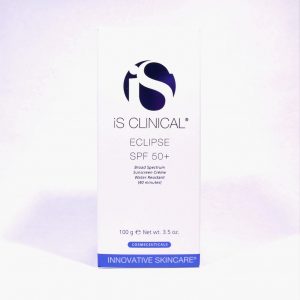
This product is ultra-sheer and provides broad spectrum UVA and UVB protection.
Fast absorbing with a weightless finish
Dermatologist tested & water resistant
This product is suitable for all skin types and only a moderate amount is required.
Zo Skin Health’s Sunscreen & Primer SPF 30
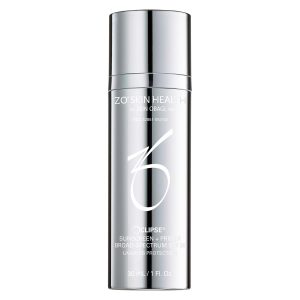
Non-greasy, quick drying and sheer matt finish
Broad spectrum protection against UVA, UVB and harmful infrared rays
Includes a universal skin tint which reduces the appearance of imperfections, and can be used with or without makeup
Zo Skin Health’s Broad Spectrum Sunscreen SPF 50

Lightweight, non-irritating mineral sunscreen for sensitive skin types
Broad spectrum protection against UVA, UVB and harmful infrared rays
Zo Skin Health also have a number of other sunscreen products available in a number of formats, including a spray for added convenience.
Any of the above products can be purchased by popping into Tay MediSpa. Alternatively, give us a call on 01738 451 567.
If you’re still unsure, and need some help, why not come for a complimentary skincare consultation? Our expert skin therapists will analyse your skin, and advise you of the best products and best ways to improve your skin quality.
They can also advise you of a skincare routine to suit your budget, lifestyle and preferences. There is absolutely no obligation to purchase anything from us. Let us help you improve your skin health and feel safe and protected from any further skin damage.
Are you left with any questions? Anything about SPF products I have missed that you would like to learn more about? Pop us a message on Facebook or via our Contact us page on the website.
Hannah – Tay MediSpa
55 York Place, Perth, Perthshire, PH2 8EH
Share This